
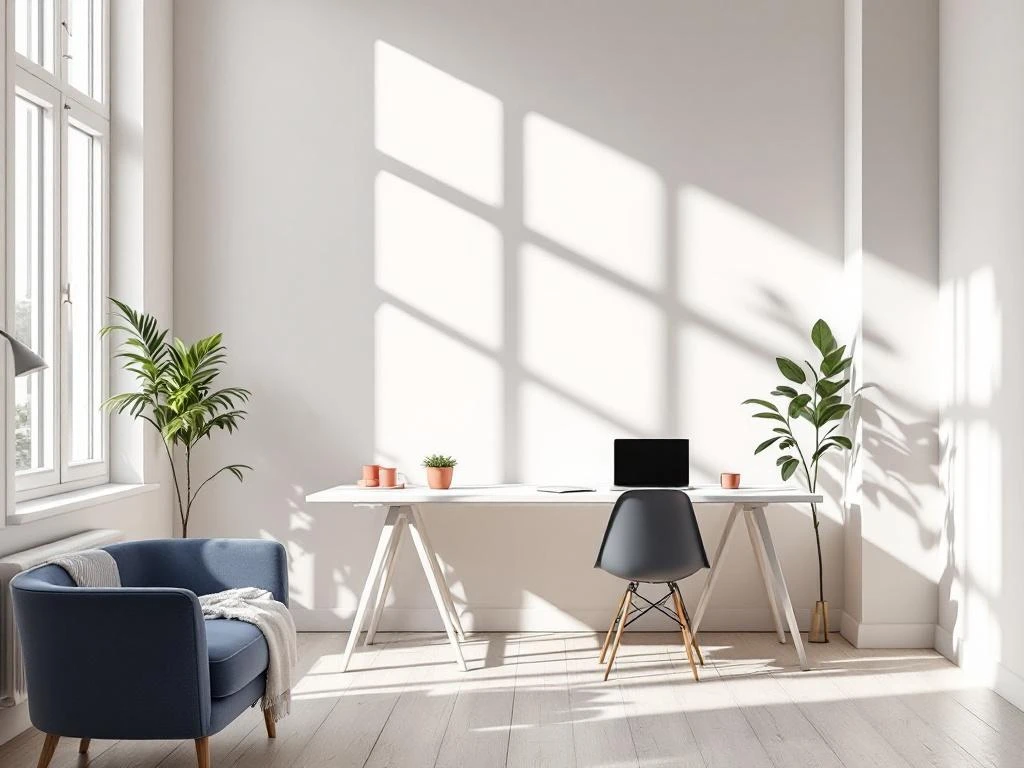

Yes, daylight is mandatory in the office according to Dutch law. The Working Conditions Act stipulates that workplaces must have as much natural daylight as possible. This means that employers are required to design office spaces so that employees have access to daylight, unless this is technically impossible. For workplaces without windows, there are special requirements for artificial lighting that mimics natural light as closely as possible.
Is daylight mandatory in the office according to Dutch law?
Dutch law is clear about daylight in the workplace. According to article 6.3 of the Occupational Health and Safety Decree workplaces should receive as much daylight as possible. This is not optional advice, but a legal requirement that employers must adhere to.
The law recognizes that not all workplaces can have access to natural light. Consider basement areas, interior spaces in large buildings or specific technical areas. In these cases, employers must provide adequate artificial lighting that meets minimum lighting requirements. The Labor Inspectorate monitors employers' compliance with these rules.
Important exceptions to the daylight requirement are:
- Workplaces where daylight is technically impossible (such as underground areas)
- Spaces where daylight interferes with the work process (such as photo laboratories)
- Temporary workstations for short-term work.
- Emergency exits and technical rooms
Also when you have a rents office space in Amsterdam, the landlord must comply with these legal requirements. This applies to both traditional office buildings and flexible workplaces.
What are the minimum lighting requirements for an office workstation?
Office work is subject to specific lighting standards set forth in the NEN-EN 12464-1. These standards prescribe how many lux (unit of light) are needed for different work activities. For general office spaces, the minimum is 200 lux, but for workstations where you read, write or work at a computer, 500 lux is the minimum.
Lighting requirements vary by type of operation:
- Computer work and reading: at least 500 lux
- Technical drawing and precision work: 750-1000 lux
- Meeting rooms: minimum 500 lux
- Corridors and common areas: minimum 100-200 lux
- Reception and reception areas: minimum 300 lux
The difference between general lighting and task lighting is important to understand. General lighting provides basic room lighting, while task lighting is specifically focused on your workspace. A good combination of the two provides optimal working conditions without glare or shadowing.
| Type of space | Minimum lux value | Recommended lux value |
|---|---|---|
| Workstation with monitor | 500 lux | 500-750 lux |
| Meeting space | 500 lux | 500-750 lux |
| Canteen/pause room | 200 lux | 300-500 lux |
| Hallway/stairwell | 100 lux | 150-200 lux |
Why is natural light important for your health at work?
Natural light has a direct impact on your health and well-being while at work. Your biological clock, also known as the circadian rhythm called daylight exposure, is regulated by exposure to daylight. This rhythm determines when you feel alert and when your body prepares for sleep.
The health benefits of daylight in the office have been scientifically proven. On average, employees who have access to natural light sleep better, have more energy and are more productive. Daylight stimulates vitamin D production, which is important for your immune system and bone health. In addition, natural light reduces eye strain, a common problem in office work.
Workers who receive little daylight are more likely to experience:
- Concentration problems and decreased alertness
- Headaches and migraines
- Mood swings and winter depression
- Sleep problems and fatigue
- Dry eyes and blurred vision
The effect on productivity is also measurable. Offices with good daylighting see higher employee satisfaction and less absenteeism. This makes investment in better lighting not only legally necessary, but also economically interesting for employers.
How do you measure whether there is enough daylight in the office?
Measuring light levels in the office can easily be done with an luxmeter. This device measures the amount of light falling on a surface. For a reliable measurement, place the lux meter on your desk where you normally work, about 75 centimeters above the ground.
The daylight factor is another important measurement. This percentage indicates how much of the available daylight outside also reaches inside. For office spaces, a daylight factor of at least 2% is desirable, meaning 2% of outside light reaches your workspace.
Practical steps for measuring lighting:
- Measure at different times of the day
- Check both in cloudy and sunny weather
- Measure at multiple points in the room
- Pay attention to shadowing and reflections
- Document your measurements for any complaints
Signs of inadequate lighting are often noticeable even without measurements. Do you get a headache at the end of the workday? Do you have to squeeze your eyes together to read properly? Do you feel sleepy despite adequate sleep? These can all be signs that the lighting in your workplace is not optimal.
What are workers' rights when there is too little daylight?
As an employee, you have the right to a healthy workplace with adequate daylight. The Occupational Health and Safety Act protects you from poor working conditions, including inadequate lighting. Your employer is required by law to provide good working conditions.
If you have complaints about too little daylight, there are several steps you can take. Always start with a conversation with your supervisor or facility manager. Explain what problems you are experiencing and ask for concrete improvements. Document this conversation and any agreements made.
If the problem is not solved, you can:
- Contact the prevention officer or health and safety service
- Taking the issue to the works council
- Filing a complaint with the Labor Inspectorate
- Seeking advice from your union
- In extreme cases stop work in the event of immediate danger
The works council has the right to consent to changes in working conditions. This means they can actively contribute ideas for improvements in lighting. They can also put the subject on the agenda during consultations with management.
What alternatives are there if natural daylight is not possible?
When natural daylight is not feasible, several high-quality alternatives are available. Daylight bulbs with a color temperature of 5000-6500 Kelvin mimic the spectrum of natural light. These lamps are especially effective in rooms without windows.
Dynamic lighting is an innovative solution that follows the natural rhythm of daylight. These systems automatically adjust light intensity and color temperature throughout the day. In the morning, the system provides bright, bluish light to make you alert, while by evening it becomes warmer and dimmer.
Architectural solutions for more light:
- Skylights and skylights for overhead light entry
- Light shafts directing daylight into the building
- Mirror systems that redirect light into dark spaces
- Glass walls between rooms for light penetration
- Light facades with special glazing
For individual workstations, desk lamps with daylight spectrum are a good addition. These lamps reduce eye strain and improve contrast when reading documents. When purchasing, pay attention to power output, color rendering index (CRI) and the ability to adjust brightness.
How can you get more daylight into your workplace yourself?
You can do a lot yourself to get more natural light in your workplace. The simplest step is to moving your desk closer to the window. Make sure your desk is perpendicular to the window to avoid glare on your monitor, but in such a way that you take advantage of the incident light.
Reflective surfaces can better distribute available light. A white wall or strategically placed mirror can reflect daylight deeper into the room. Bright desk accessories and a tidy workspace also help maximize light.
Practical tips for more light:
- Keep windows clean for maximum light
- Use light colors for walls and furniture
- Avoid dark curtains or blinds
- Take regular outdoor breaks
- Demand for flexible workstations near windows
Discuss with your employer the possibility of flexible workstations. Many modern offices offer activity-based working, where you can choose where to work based on your task and lighting needs. This is especially relevant if you are considering renting office space in Amsterdam, where flexibility is becoming increasingly important.
What are the consequences for employers who do not meet daylight requirement?
Employers who ignore daylight regulations risk serious consequences. The Labor Inspectorate can issue warnings during inspections, impose fines or, in serious cases, stop work. The amount of fines varies depending on the severity of the violation and whether it is a first detection.
When health complaints are caused by poor lighting, employers can be held liable. Employees who have demonstrably suffered damages can claim compensation. This can include medical expenses, as well as damages for long-term complaints.
Potential penalties for employers:
- Warning with deadline for improvement
- Penalty for failure to resolve in a timely manner
- Fines up to tens of thousands of euros
- Stoppage of work
- Civil liability
After a finding, the employer must prepare a plan of action. This plan describes concrete measures to improve lighting, including time frame and budget. The Labor Inspectorate checks whether this plan is implemented and can take stricter measures in case of negligence.
Conclusion: this is how to ensure adequate daylight in the office
Daylight in the office is not only required by law, but also essential for your health and productivity. Dutch law requires that workplaces receive as much natural light as possible, with minimum lighting requirements of 500 lux for desk work. As an employee, you have the right to report this if your workplace does not meet these requirements.
It is important for employers to proactively invest in proper lighting. This not only prevents fines and liability, but also increases employee satisfaction and productivity. Practical solutions range from rearranging workstations to installing dynamic lighting systems.
Employees themselves can also take action by optimizing their workspaces, taking regular breaks in daylight and engaging in the conversation about flexible workplace solutions. At our company, we understand the importance of natural light in workspaces. Our flexible office solutions are designed with great attention to daylighting, so you can always work in a healthy and inspiring environment. Want to know more about how we approach this? Then take contact with us for a free consultation.